
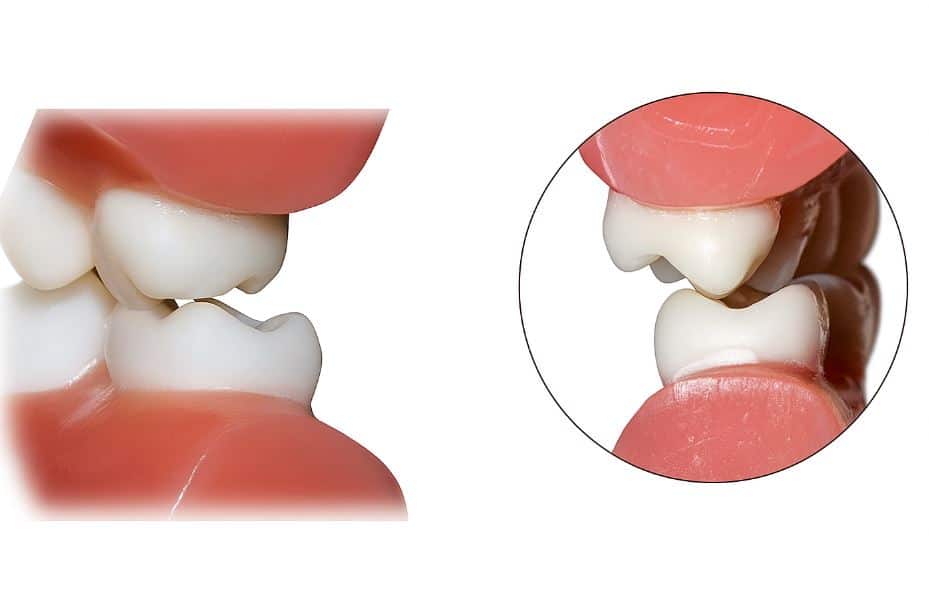
Do you feel pain in your jaw when you wake up? Do you suspect that you clench or grind your teeth during sleep? Has someone told you that you make noises with your mouth at night, or have you noticed your teeth are becoming worn down? If so, you may be suffering from bruxism—a condition that affects far more people than it seems and can have serious consequences if not treated in time.
At A2 Dental Mallorca, we regularly see patients who come in with headaches, jaw discomfort or tooth sensitivity, unaware that the root of the problem lies in the unconscious habit of clenching or grinding their teeth. Below, we explain what bruxism is, why it happens, how it presents, and what options are available to manage it and protect your oral health.
What is bruxism and why does it happen?
Bruxism is the involuntary activity of the jaw muscles that leads us to clench or grind our teeth repeatedly, usually while sleeping, though it can also occur during the day in moments of stress or intense concentration.
There is not always a single cause, but the condition is commonly associated with emotional stress, anxiety, sleep disorders, certain medications, bite misalignments, or even lifestyle factors.
In many cases, the patient is unaware of what’s happening until the first symptoms appear, or until their dentist detects tooth wear, fractures or signs of overuse in the temporomandibular joint (TMJ).
Consequences of bruxism for your health
Bruxism is more than just an unconscious habit: it can progressively damage both your oral and general health. If not addressed, it may lead to:
- Tooth wear: enamel erosion, shortening of teeth, or fractures
- Jaw pain: discomfort while chewing or opening the mouth
- Headaches and migraines: often upon waking, due to muscle tension
- TMJ problems: joint noises, jaw locking, or clicking sensations
- Tooth sensitivity and gum recession, causing discomfort when eating or drinking
- Disrupted sleep: due to micro-awakenings or interruptions in deep sleep
In more severe or chronic cases, bruxism can also alter the aesthetics of the smile, making the teeth look shorter and aged.
How do I know if I have bruxism?
Bruxism is often diagnosed during a routine dental check-up, when the dentist observes wear patterns on the tooth surfaces, cracks, hypersensitivity, or muscle strain.
Some patients come in after noticing that their partner hears grinding noises at night, others report jaw pain upon waking, or realise their teeth have changed shape. At the slightest suspicion, it is important to get a proper assessment and, if needed, begin treatment early.
Can bruxism be treated? What are the options?
Although bruxism cannot be “cured” in a traditional sense, it can be managed very effectively to prevent dental damage and relieve symptoms. Treatment is always personalised and may include:
- Night guard (occlusal splint): the most common treatment. This is a custom-made device worn during sleep to protect the teeth, redistribute pressure and relax the jaw muscles.
- Complementary therapies: in cases where stress plays a key role, stress management techniques, jaw physiotherapy or psychological support may be recommended.
- Occlusal adjustment and dental rehabilitation: if there are bite issues or advanced wear, restorative dental work may be needed to improve function and prevent further damage.
- Therapeutic Botox (in selected cases): injections into the masseter muscles can reduce the intensity of grinding in patients with severe bruxism.
Treatment should always be guided by a dental professional, as every case is different.
Your sleep and your smile deserve proper care
If you’ve been waking up with jaw pain, notice increased tooth sensitivity or feel tension in your mouth regularly, don’t ignore it. Bruxism is more than just a nervous habit—it can seriously affect your teeth, your rest and your day-to-day wellbeing.
At A2 Dental Mallorca, we carry out a thorough assessment for each patient, identify the source of the problem and offer a personalised treatment plan so you can sleep comfortably again and feel confident that your smile is protected.